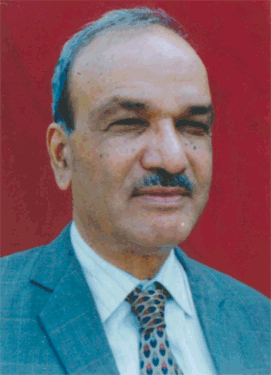
| Prof. S.K. Joshi Heads the UGC-DST National Task Force for implementation of HRD Aspects of Science & Technology Policy 2003 |
||
he University |
in UGC, New Delhi on 5th February to work out the specific strategy to be adopted. |
need to vigorously introduce the inputs of Science and Technology Policy in all our activities and annually review the progress made in implementing this Policy and suggest correctives. The University Grants Commission has approved an action plan prepared in June, 2003 by Prof. V.N. Rajasekharan Pillai, Vice-Chairman, UGC, gathering inputs from academics and experts in the universities and colleges for implementation of the HRD aspects of the Policy. The Department of Science and Technology has agreed to work with the UGC for the implementation of this programme through the Universities and Colleges. The UGC has accordingly constituted the Task Force and the activities in colleges, Science & Technology institutions and universities are being planned for the next 2 years. Dr. Surender Singh, Education Officer (Vice Chairman Office) is the coordinating member of the Task Force. |
| Initiatives under National Programme for HRD in IT | ||
he initiatives proposed to be |
wide networks; Reliable and Affordable Connectivity; introduction of core course in engineering information; Course based induction of IT tools; CAD/CAM tools education programme; IT- based applied project management tools; India Electronic Design Automation Tools scheme; Micro-electronic systems packaging; Virtual Centres of Excellence for manpower development in emerging technology areas; Credit-based outreach education programme; networking for academic collaboration, promoting interface with industry and technical manpower data-base; Computerization of administrative support services. |
providing adequate information and communication technology infrastructure in technical institutions; changes in engineering curriculum to make it information-science based; manpower development in the hardware sector in the country; to meet continuing education needs through a modular flexible mechanism, using technology mediated learning environment; improve management efficiency, increased transparency and promote cost-effectiveness in technical institutions. |
| BACK | | | NEXT |